February 1,Kathmandu
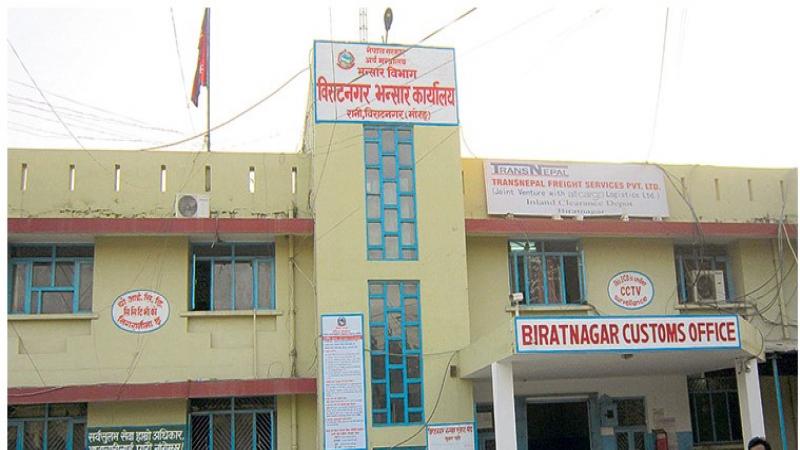
Food imports from Biratnagar, the eastern border point of Nepal, have increased in the first six months of the current fiscal year. According to the Biratnagar Customs Office, imports of wheat, maize, paddy and rice have increased in the current fiscal year. Wheat import through Biratnagar has increased four times in the current fiscal year.
During the second quarter of the last fiscal year, 9,544 tonnes of wheat worth Rs. 31.7 million was imported through the Biratnagar border, an increase of almost four times over the same period of the current fiscal year to import of wheat.
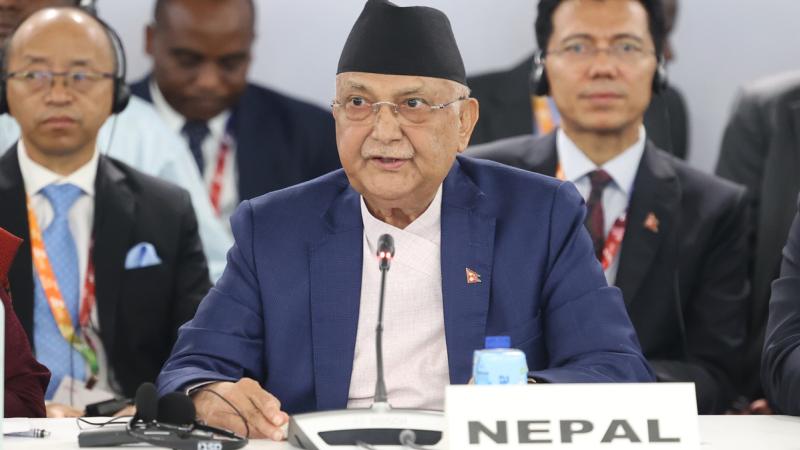
In the budget presented by the government on Jestha 15 last year, the agricultural reform fee on wheat import was increased from 5 percent to 9 percent. After the protest, the then Finance Minister Dr. Yuvraj Khatiwada had corrected the decision on Ashoj 15, 2077.
There was widespread opposition from business circles. Entrepreneurs demanded that the import duty on raw materials and finished goods should not be the same as the import duty on flour and flour is only 9 percent. Finance Minister Khatiwada has corrected his decision to become US ambassador.
"Once the import duty on wheat has been rectified, there seems to be ample imported," he said. According to Pradip Sharda, operator of Nutri Food Pvt. The government has corrected the decision and given breathing space to the flour mill. The noodles, noodles and biscuit industry had already started importing flour from India. In the first six months of the current fiscal year, maize has also increased almost four times as compared to last fiscal year.
In the first six months of the last fiscal year, 29,511 metric tonnes of maize worth Rs 1.13 billion were imported through Biratnagar, while 117,618 metric tonnes worth Rs 2.97 billion was imported in the same period of the current fiscal year.
Entrepreneurs say that the demand for maize could not be imported to Nepal due to the floods in India in the last fiscal year. In addition, the import of maize has skyrocketed after the liquor industry started using maize instead of Kanika 9 Kodiak rice for alcohol production.
The data of the office till mid-December has also shown an increase in the import of paddy. As of mid-January of the last fiscal year, 38,452 metric tonnes of paddy worth Rs 1.33 billion was imported.
Exceeding this figure, 40,211 metric tonnes of paddy worth Rs 1.10 billion have been imported in the second quarter of the current fiscal year. Due to the increase in the production of paddy in India, the price has not increased even though the import of paddy has increased due to cheaper price than last fiscal year.
As of mid-December last year, 2,200 metric tonnes more paddy has been imported at Rs 230 million less. In the first six months of the current fiscal year, the import of rice from Biratnagar has almost doubled compared to last fiscal year. In the corresponding period of the previous year, 16,833 tonnes of rice worth Rs. 733 million was imported through this checkpoint, while 30,864 metric tonnes of rice worth Rs.
While importing, the customs office has to pay 5 percent agree improvement fee for paddy and 9 percent for rice. Due to cheaper tariffs, traders have resorted to importing rice to Nepal instead of importing rice to produce rice and packaging and branding it for sale.













 Indian Rupee
 U.S. Dollar
 European Euro
 UK Pound Sterling
 Swiss Franc
 Australian Dollar
 Canadian Dollar
 Singapore Dollar
 Japanese Yen
 Chinese Yuan
 Saudi Arabian Riyal
 Qatari Riyal
 Thai Baht
 UAE Dirham
 Malaysian Ringgit
 South Korean Won
 Swedish Kroner
 Danish Kroner
 Hong Kong Dollar
 Kuwaity Dinar
 Bahrain Dinar