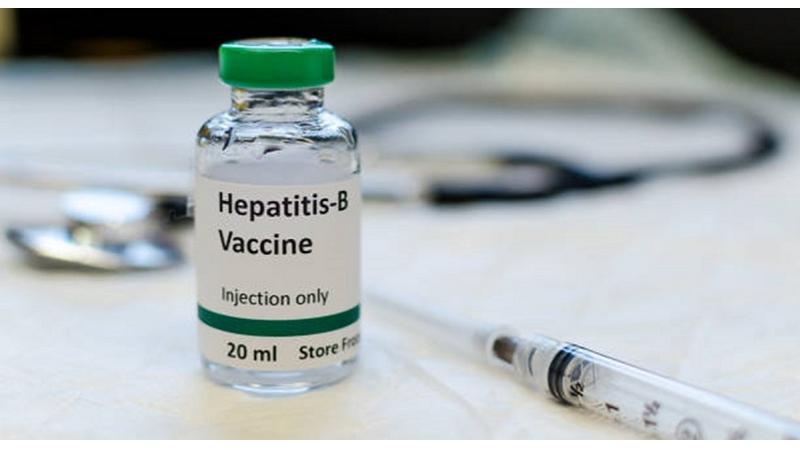
Dec 04, Kathmandu - A heated debate has erupted among the medical and scientific community in the United States after a new advisory group formed by vaccine-skeptic Health Secretary Robert F. Kennedy Jr. under President Donald Trump's administration began reviewing the hepatitis B vaccine for newborns.
Amid strong opposition from many doctors, the Atlanta-based Advisory Committee on Immunization Practices (ACIP) is set to hold a two-day meeting starting Thursday to formally discuss whether to delay vaccinations.
Under Kennedy's leadership, the committee has begun a comprehensive review of many vaccines that have been considered safe and effective for decades. His self-doubt over the established evidence of vaccine science and his public anti-vaccination rhetoric have raised serious concerns in American medical and scientific circles.
Experts have repeatedly warned of the risk of declining vaccination rates and a resurgence of deadly diseases like measles. The bitter experience of a measles outbreak in 2025, which killed hundreds of people, is still fresh.
Sean O’Leary, an infectious disease and pediatrics expert, questioned the committee’s competence, saying, “The changes the ACIP is trying to make appear to be based on ideology, not on facts or scientific evidence.”
Since 1991, the US health agency has recommended that newborns be vaccinated against hepatitis B within the first 24 hours of birth. This viral liver disease puts those infected at risk for long-term liver damage, cirrhosis, and liver cancer.
"Ninety percent of newborns infected with hepatitis B develop chronic liver disease, and a quarter of them eventually die from the disease. All of these deaths are completely preventable," O'Leary reminded.
But both anti-vaccination groups and President Trump have been pushing back against the practice, with Trump publicly claiming in September that children don't need the vaccine before age 12 because hepatitis B is a sexually transmitted disease.
















 Indian Rupee
 U.S. Dollar
 European Euro
 UK Pound Sterling
 Swiss Franc
 Australian Dollar
 Canadian Dollar
 Singapore Dollar
 Japanese Yen
 Chinese Yuan
 Saudi Arabian Riyal
 Qatari Riyal
 Thai Baht
 UAE Dirham
 Malaysian Ringgit
 South Korean Won
 Swedish Kroner
 Danish Kroner
 Hong Kong Dollar
 Kuwaity Dinar
 Bahrain Dinar