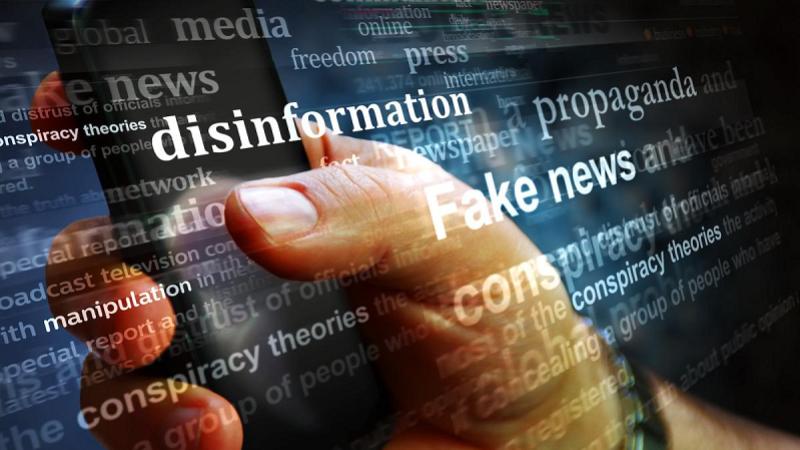
Feb 12, Kathmandu - A recent wave of misinformation spread via social media has dangerously disrupted communal harmony and cast a shadow over Nepal’s electoral process. Targeted false content aimed at political parties and candidates has proliferated across platforms, risking severe consequences if responsible actions are not taken by leaders.
While social media has accelerated information flow, making it more accessible and democratic, its rapid nature also amplifies the spread of misinformation, emotional agitation, and falsehoods disguised as truth. As Nepal approaches elections, users must exercise greater responsibility to prevent the misuse of these digital spaces.
The evolution of information technology and expanding social media usage have transformed election campaigning. Had these tools been used effectively, campaign costs and durations could have been significantly reduced. However, the current trend of heightened activity on social platforms has already begun to show adverse effects.
Misinformation about candidates’ personal conduct poses one of the gravest threats, often originating from anonymous sources hiding behind digital anonymity. The freedom of expression on social media allows individuals to share unchecked content, making responsible citizenship crucial. Unfortunately, many behind the mask of anonymity are exhibiting extreme irresponsibility.
Most political parties and prominent candidates are facing the spread of misleading and offensive content online. Certain leaders and parties are being targeted with aggressive propaganda. The proliferation of such harmful material is not coincidental; supporters and members of specific groups are primarily responsible for these actions.
According to recent data from Nepal Telecommunications Authority, the number of mobile SIM cards exceeds the country’s population, and nearly one crore Nepalese are actively using platforms like Facebook and TikTok. Surveys also reveal that social media has become the primary source of news among youth.
In this context, any misleading videos, edited clips, or baseless accusations can reach thousands or even millions within minutes. During the 2079 parliamentary elections, the Election Commission had to request platforms to remove dozens of false and misleading posts. While the commission remains active, tackling this issue is not solely within its power.
Alongside misinformation, algorithm-driven “echo chambers” have worsened the problem. Users tend to consume only content that aligns with their beliefs, dismissing opposing views, which polarizes society. Viral false claims about candidates are quickly circulated, yet their denials often go unnoticed.
Truth itself has become subjective in Nepal, with many perceiving facts through biased lenses. Supporters tend to dismiss factual corrections and accept their preferred narratives as truth. Even verified evidence may be rejected by committed supporters unwilling to accept facts.
Responsibility ultimately lies with social media users. Before sharing or creating sensational content, users must verify sources. Official bodies such as the Election Commission and Press Council should actively fact-check and provide accurate information promptly. Additionally, digital platforms should be formally urged to oppose hate speech, religious or ethnic provocation, and character assassination.
Leaders involved in the electoral race must exercise prudence; neglecting this duty not only risks defeat but also damages societal trust. Supporters and party workers should reflect on their language and behavior, avoiding offensive or trivial remarks. Leaders should embody qualities of responsible leadership.
Even the most blatant misconduct has often been indirectly encouraged by party leaders’ signals. Therefore, the Election Commission should urge political leaders to refrain from posting derogatory or inappropriate content on social media, fostering a more respectful online environment during elections.










 Indian Rupee
 U.S. Dollar
 European Euro
 UK Pound Sterling
 Swiss Franc
 Australian Dollar
 Canadian Dollar
 Singapore Dollar
 Japanese Yen
 Chinese Yuan
 Saudi Arabian Riyal
 Qatari Riyal
 Thai Baht
 UAE Dirham
 Malaysian Ringgit
 South Korean Won
 Swedish Kroner
 Danish Kroner
 Hong Kong Dollar
 Kuwaity Dinar
 Bahrain Dinar