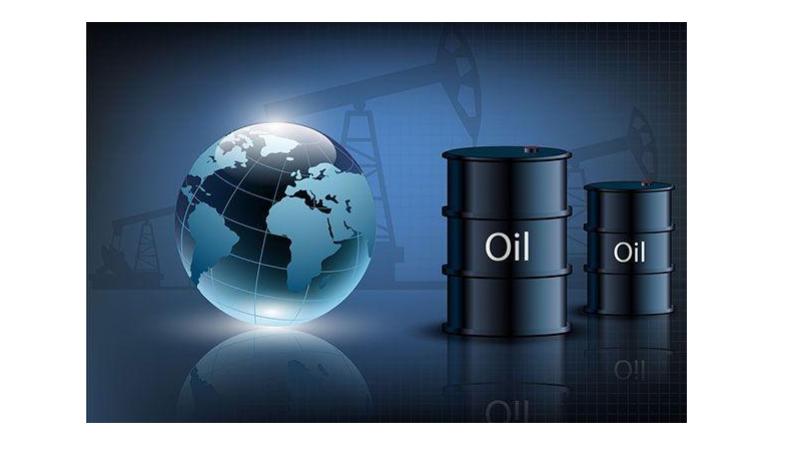
Mar 12, Kathmandu - Amid ongoing warfare in the Middle East, Iran has intensified its attacks targeting energy infrastructure and ships in the Gulf region, triggering a new wave of instability in the global energy markets. Within hours of attacking two oil tankers on Thursday morning, crude oil prices surged past $100 per barrel, signaling heightened concerns among international traders.
Tehran’s recent barrage of attacks on neighboring countries and Israel has sharply escalated regional tensions. Iran warns that the conflict could last long, claiming it may devastate the global economy. Meanwhile, U.S. President Donald Trump has asserted that Iran is heading toward defeat but cautioned that the war will not end immediately, suggesting that restoring Iran’s infrastructure could take a generation.
The conflict has affected multiple countries: Israeli strikes have intensified in Lebanon, resulting in over 630 deaths and displacing more than 800,000 civilians. Security remains tense in the Gulf, with Bahrain advising residents to stay indoors and keep windows closed. Saudi Arabia reports intercepted drones heading toward the Shaybah oil field, while Oman’s port facilities have temporarily halted operations following drone attacks on fuel tanks.
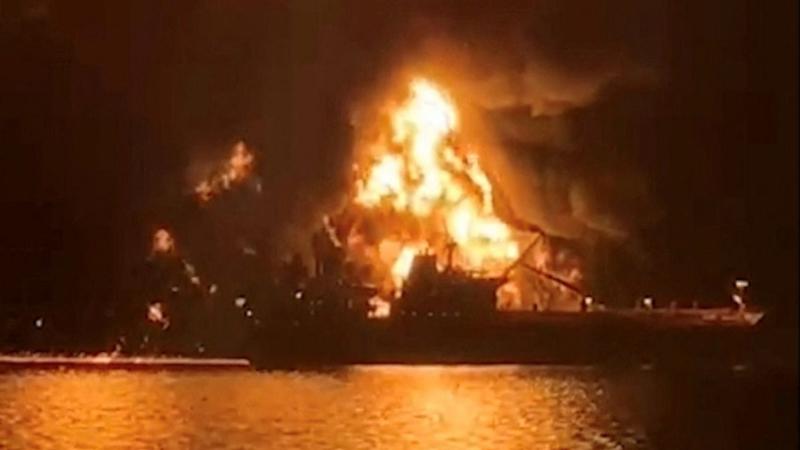
Maritime routes around the Strait of Hormuz, a crucial chokepoint for nearly a fifth of the world’s oil supply, are also disrupted. A container ship near the UAE was hit by an unidentified projectile, causing a small fire, though all crew members are safe. Earlier, attacks on two oil tankers near Iraq left at least one crew member dead, with 38 rescued and some still missing.
Analysts warn that the Strait of Hormuz is at risk of being effectively blocked due to escalating tensions, with Iran threatening to prevent any oil exports from the Gulf. In recent days, at least four incidents involving ships and drones have been reported, including an attack on a Thai bulk carrier that resulted in three missing crew members.
The danger extends to other Gulf nations, with drone strikes injuring two in Kuwait and missile threats prompting responses from the UAE. Iran’s Revolutionary Guards have warned they may target financial centers linked to the U.S. and Israel, prompting some international firms to withdraw employees from Dubai.
The International Energy Agency has authorized member nations to release strategic reserves, planning to send 40 million barrels of oil into the market, including 17.2 million barrels from the U.S., in an effort to stabilize prices. However, experts warn that the long-term outlook remains uncertain, with oil prices potentially stabilizing at $90–$100 per barrel for now.
The human toll is mounting: Israeli airstrikes have damaged residential buildings in Beirut, forcing residents to stay outdoors in fear. In Lebanon, a local baker recounted rushing to evacuate his family during the explosions. Israel continues broad strikes against Hezbollah infrastructure in Lebanon, and new missile attacks from Iran have been reported.
According to Iran’s health ministry, over 1,200 people have died in the conflict so far, with casualties rising in Israel and the Gulf region, including civilians and military personnel. The New York Times estimates that the United States has already spent over $11.3 billion on the ongoing war.
The situation remains volatile, with global markets and regional stability hanging in the balance as the conflict shows no signs of abating.













 Indian Rupee
 U.S. Dollar
 European Euro
 UK Pound Sterling
 Swiss Franc
 Australian Dollar
 Canadian Dollar
 Singapore Dollar
 Japanese Yen
 Chinese Yuan
 Saudi Arabian Riyal
 Qatari Riyal
 Thai Baht
 UAE Dirham
 Malaysian Ringgit
 South Korean Won
 Swedish Kroner
 Danish Kroner
 Hong Kong Dollar
 Kuwaity Dinar
 Bahrain Dinar