
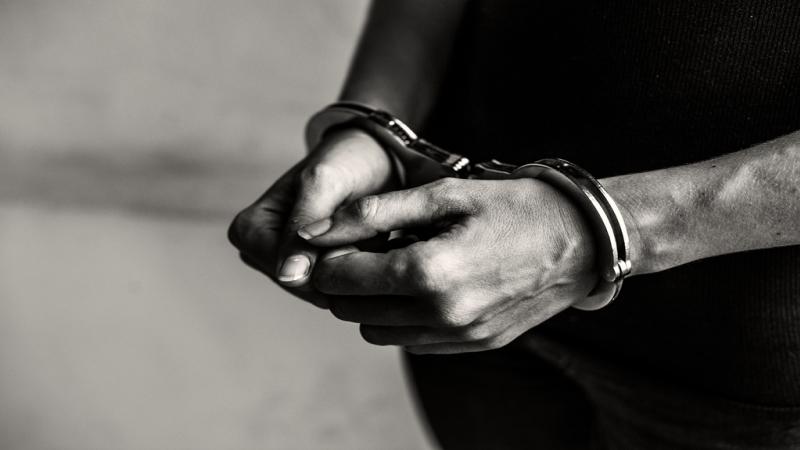
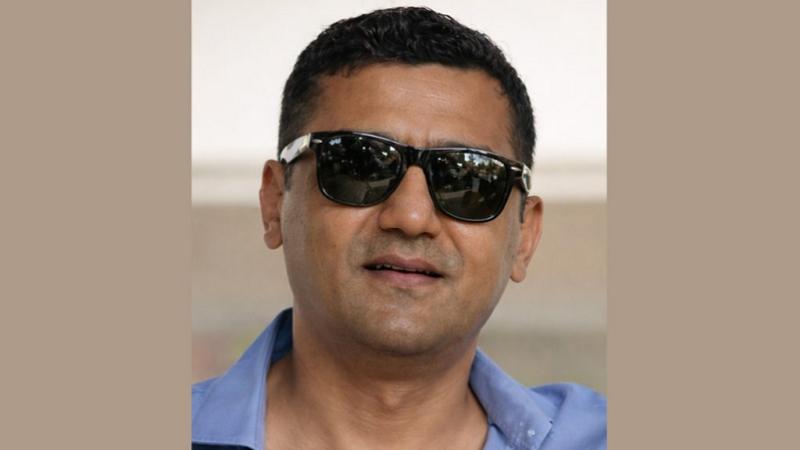
Apr 02, Kathmandu - The long-standing case of fake Bhutanese refugees involving Bechan Jha remains underexplored, despite significant political turmoil and leadership changes. Jha was arrested over 13 months ago, but investigations had been stalled due to the change in government. Following the fall of the previous government, Jha was detained without thorough inquiry, with authorities now resuming investigations through the Kathmandu Metropolitan Crime Investigation Office and the District Police.
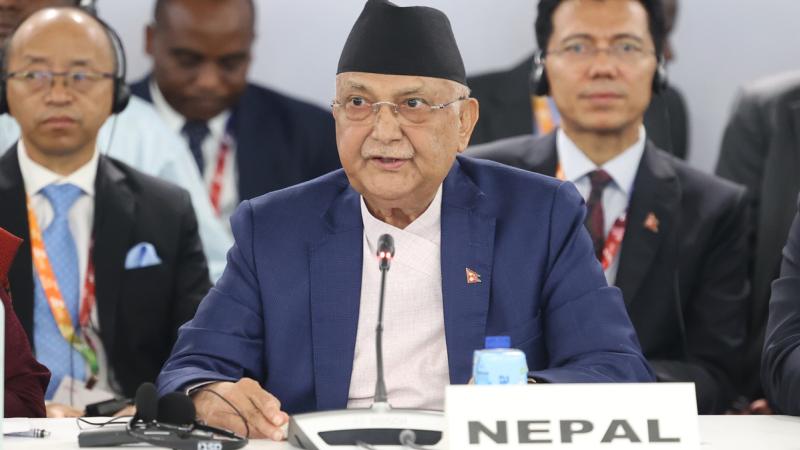
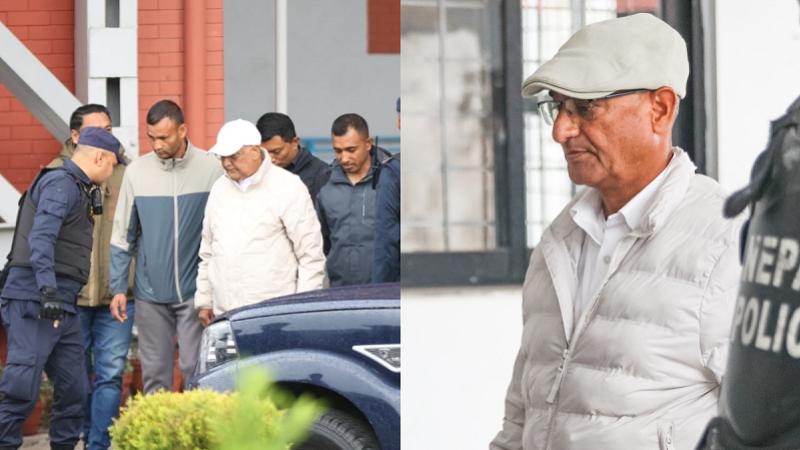
Jha’s arrest is believed to be linked to high-level political figures, including Arzu Rana, who narrowly avoided arrest during the upheaval that saw Prime Minister KP Sharma Oli assume power in Asadha 2081. Prominent figures like UML Vice Chairman Ram Bahadur Thapa and his son, Pratik Thapa, remain under the radar, with some still in detention.
The scam reportedly involved forging documents and extracting millions of rupees under the guise of sending Bhutanese refugees to the United States. Evidence suggests that Bechan received a cheque worth Rs. 20 million in connection with the scheme, with several others involved, including Ram Sharan K.C., a construction businessman detained for allegedly receiving the cheque. K.C. claims that a significant amount was transferred to him based on a decision made by the government.
Investigations have also uncovered links between Bechan and influential political figures, including former ministers and secretaries, raising questions about the scope of political involvement. The Supreme Court’s decision to lift the parliamentary dissolution paved the way for the government’s reformation, which saw Bechan's increased activity in the case.
Former Secretary of Home Affairs Tek Narayan Pandey stated that deeper inquiries could be made now, given Bechan's political connections. Authorities suspect that Bechan maintains strong ties with Madhesh-based parties and prominent Congress leaders, owing to his background as a construction businessman.
The case remains complex, with ongoing investigations into the financial transactions and political links, highlighting a broader pattern of corruption and manipulation surrounding the fake refugee scam.








 Indian Rupee
 U.S. Dollar
 European Euro
 UK Pound Sterling
 Swiss Franc
 Australian Dollar
 Canadian Dollar
 Singapore Dollar
 Japanese Yen
 Chinese Yuan
 Saudi Arabian Riyal
 Qatari Riyal
 Thai Baht
 UAE Dirham
 Malaysian Ringgit
 South Korean Won
 Swedish Kroner
 Danish Kroner
 Hong Kong Dollar
 Kuwaity Dinar
 Bahrain Dinar