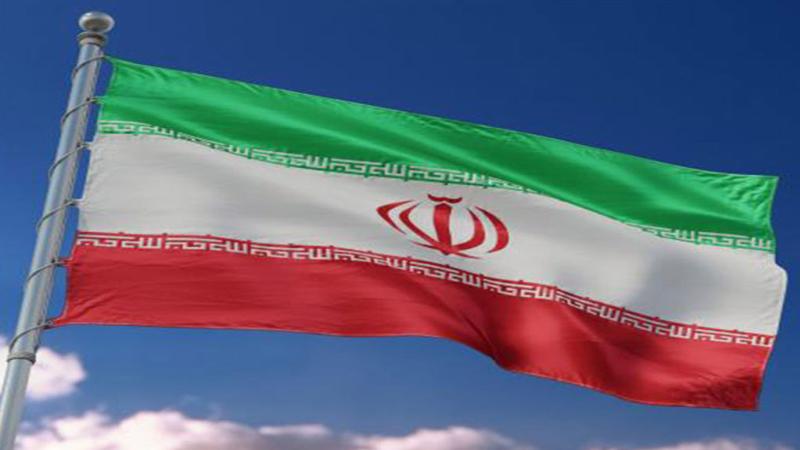
Apr 13, Kathmandu - Iran has experienced a sharp and alarming increase in the use of the death penalty in 2025, with at least 1,639 executions reported by two prominent international human rights organizations. This figure marks the highest number since 1989 and signals that the state continues to employ capital punishment as a tool of repression.
According to a joint report by the Iran Human Rights (IHR), based in Norway, and Paris-based Together Against the Death Penalty (ISIPPM), the number of executions in 2025 has surged by 68% compared to 2024, when 975 executions were documented. Among those executed were 48 women, representing the highest number in two decades.
The report highlights that, on average, more than four people are publicly hanged daily—a figure considered a "minimum estimate" due to underreporting and lack of official transparency. IHR emphasizes the need for two independent sources to verify each execution.
Analysts suggest that this increase is not merely criminal justice but also a political message. Mahmud Amiri-Moghaddam, director of IHR, stated, “The daily execution of four to five individuals creates an atmosphere of fear and is likely aimed at suppressing potential dissent.”
The report warns that the situation could deteriorate further following protests in January 2026. Human rights defenders report hundreds of protesters are detained, facing severe charges and risking execution. Past protests have been met with brutal crackdowns, resulting in thousands of arrests and deaths.
Despite ongoing conflicts, including the recent war against Israel and the United States starting on February 28, Iran has not halted the death penalty process. The report notes seven executions linked to protests in January, involving members of the banned opposition group People's Mujahedin of Iran (PMOI) and a dual Iranian-Swedish citizen.
Rafael Chenuil-Hazan, executive director of ISIPPM, accused Iran of using the death penalty as a "tool of political control." He highlighted that ethnic and religious minorities, such as Kurds and Baloch, are disproportionately affected.
Nearly half of those executed in 2025 were convicted of drug-related crimes. Among women executed, 21 out of 48 were accused of killing their husbands or partners, often in cases of violence or abuse, according to rights groups.
The report also notes an increase in public executions, which tripled in number to 11 in 2025, although most executions still occur in prisons.
While Iran's laws permit various methods of execution, hanging remains the most common in recent years. Human rights organizations rank Iran as one of the world's leading countries in per capita executions, second only to China—though China’s figures remain undisclosed.







 Indian Rupee
 U.S. Dollar
 European Euro
 UK Pound Sterling
 Swiss Franc
 Australian Dollar
 Canadian Dollar
 Singapore Dollar
 Japanese Yen
 Chinese Yuan
 Saudi Arabian Riyal
 Qatari Riyal
 Thai Baht
 UAE Dirham
 Malaysian Ringgit
 South Korean Won
 Swedish Kroner
 Danish Kroner
 Hong Kong Dollar
 Kuwaity Dinar
 Bahrain Dinar