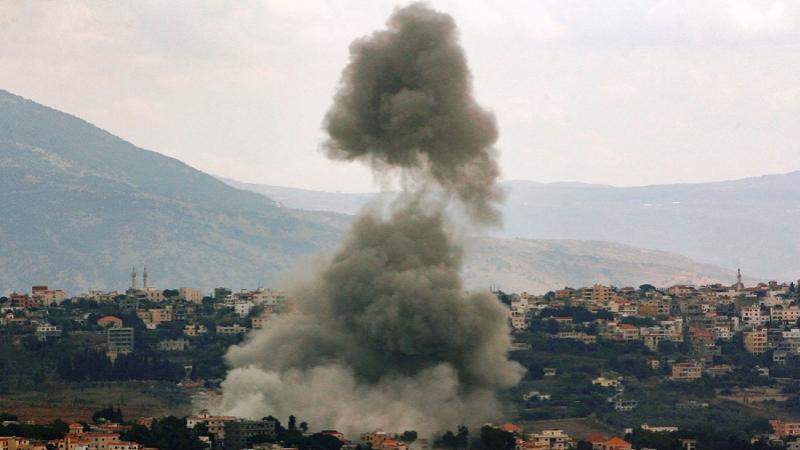
Apr 19, Kathmandu - South Lebanon is witnessing a rapid recovery effort following the recent ceasefire that halted intense Israeli attacks. The Lebanese army announced on Sunday that key roads and the Burj Rahal-Tyre Bridge have been reopened as part of reconstruction efforts. However, despite infrastructural reopening, ongoing regional insecurity and uncertainty continue to hinder normal life for residents.
According to an official statement from the Lebanese armed forces, the main road connecting the city of Nabatieh to the Khardali area has been fully operational, and the Burj Rahal-Tyre bridge bridge has been reopened partially. Repair work is also underway on the bridge, damaged during Israeli strikes.
Particularly affected were the bridges over the Litani River, which had nearly isolated the southern region from the rest of Lebanon. The destruction of these crossings, approximately 30 kilometers north of the Israeli border, severely impacted movement and supply routes.
The 10-day ceasefire between Israel and Lebanon, implemented last Friday, marks the first direct negotiation in over two decades, temporarily halting the fierce clashes between Israel and Hezbollah. The conflict has resulted in nearly 2,300 deaths and displaced over one million people.
With the ceasefire in effect, the Lebanese army and local authorities are prioritizing reopening blocked roads and resuming transportation. The resumption of traffic was evident when the Qasmiyeh Bridge reopened on Friday morning, allowing many displaced citizens to return home and assess the damage.
Nevertheless, the situation remains fragile. Many residents are hesitant to return, expressing concerns over the durability of the ceasefire. On Saturday, a large convoy of vehicles was seen heading from Sidon to
Beirut, indicating that many displaced persons are currently residing in temporary shelters.
Hezbollah official Mahmud Qamati warned that the ceasefire is only temporary, cautioning that Israeli attacks could resume. He urged civilians not to rush home and to stay in safe locations until the situation is fully secure.
Meanwhile, accusations have emerged that Israeli forces continue to carry out attacks and demolish structures in southern Lebanon despite the ceasefire. Israel has also claimed the implementation of a security line similar to the ‘Yellow Line’ used in Gaza, which raises concerns of potential escalation.
While the reopening of roads and bridges offers relief, lasting peace remains distant. The regional situation signals that instability could flare up again at any moment.







 Indian Rupee
 U.S. Dollar
 European Euro
 UK Pound Sterling
 Swiss Franc
 Australian Dollar
 Canadian Dollar
 Singapore Dollar
 Japanese Yen
 Chinese Yuan
 Saudi Arabian Riyal
 Qatari Riyal
 Thai Baht
 UAE Dirham
 Malaysian Ringgit
 South Korean Won
 Swedish Kroner
 Danish Kroner
 Hong Kong Dollar
 Kuwaity Dinar
 Bahrain Dinar