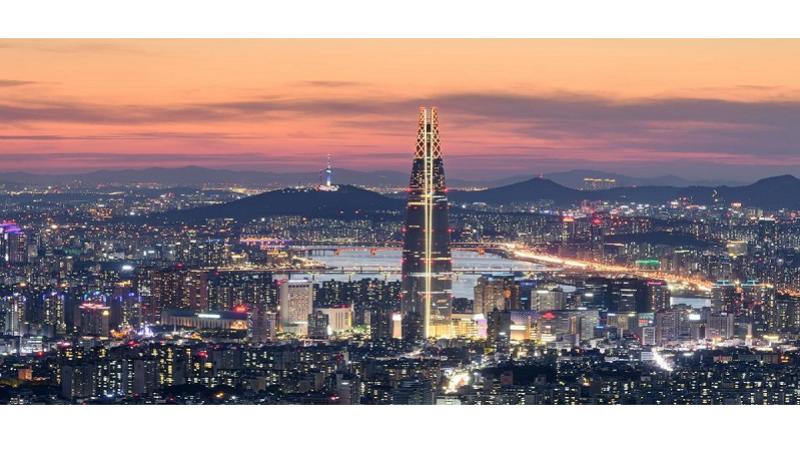
Apr 21, Kathmandu - Following South Korea's public disclosure about North Korea's sensitive nuclear activities, a chill has reportedly developed in the intelligence-sharing partnership between the United States and South Korea.
According to recently revealed information, Washington has imposed partial restrictions on satellite intelligence sharing with Seoul after Seoul's Minister of Unification, Chung Dong-young, expressed suspicions last month about North Korea operating a uranium enrichment site in the northwestern region of Kusong. The incident has reportedly caused dissatisfaction in Washington, which views the disclosure as a leak of sensitive information without proper authorization.
Sources indicate that since the restrictions, the U.S. has limited some satellite intelligence it previously shared regularly with Seoul. Although these restrictions are said to have been in effect since the beginning of the month, officials suggest they haven't significantly affected overall military preparedness. Intelligence collection and exchange regarding North Korea's military activities continue as usual, according to an unnamed South Korean military officer.
Neither Seoul nor Washington has officially confirmed these restrictions. The U.S. Forces Korea, the American military command in Korea, also declined to comment, citing awareness of the reports.
Meanwhile, South Korea's Unification Ministry has stated that it has not received any new information from other sources regarding the alleged nuclear facility in Kusong. North Korea has previously announced the operation of uranium enrichment facilities in Yongbyon and Kangsong near Pyongyang.
Opposition parties have criticized Chung Dong-young’s statements, alleging they have impacted the U.S.-South Korea alliance. However, Chung defended his remarks, stating they were based on publicly available information and condemning the leak of classified intelligence as “regrettable.”
South Korean President Yoon Suk Yeol also supported Chung, emphasizing that details about the Kusong facility have long been publicly available through academic studies and media reports. He dismissed claims that classified U.S. intelligence had been leaked as baseless.
In addition, reports suggest that U.S. military commander Javier Brunsdon expressed dissatisfaction to South Korea's Defense Minister, although the Defense Ministry dismissed such claims as diplomatically inappropriate.
North Korea remains under multiple United Nations sanctions for its ongoing nuclear and missile programs, which it continues to advance despite international restrictions. Recently, the head of the UN nuclear watchdog warned that North Korea is significantly increasing its nuclear capabilities.
To counter North Korea’s growing military threat, the U.S. has stationed approximately 28,500 troops in South Korea and shares intelligence gathered through satellites and other means with Seoul. The recent developments have once again raised questions about the importance of trust and the sensitivity of intelligence cooperation between the two allies.






 Indian Rupee
 U.S. Dollar
 European Euro
 UK Pound Sterling
 Swiss Franc
 Australian Dollar
 Canadian Dollar
 Singapore Dollar
 Japanese Yen
 Chinese Yuan
 Saudi Arabian Riyal
 Qatari Riyal
 Thai Baht
 UAE Dirham
 Malaysian Ringgit
 South Korean Won
 Swedish Kroner
 Danish Kroner
 Hong Kong Dollar
 Kuwaity Dinar
 Bahrain Dinar