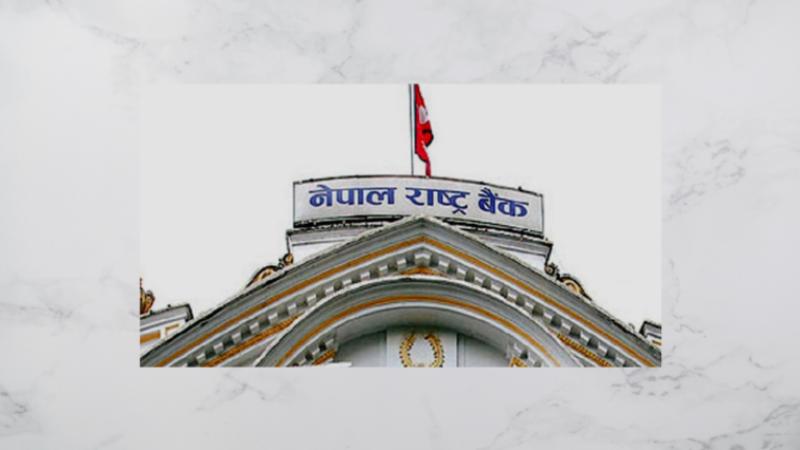
May 12, Kathmandu - Nepal's external economic sector has shown remarkable improvement by the end of Chaitra in the 2082/83 fiscal year, according to recent data released by the Nepal Rastra Bank. The nine-month statistics reveal historic progress in remittance inflows, foreign exchange reserves, account balance, and current account performance.
Remittance inflows surged by 39.1%, reaching NPR 1.66 trillion, a significant increase compared to the same period last year. The remittance in US dollars also grew by 31.8%, bolstering foreign currency reserves. As of Chaitra, Nepal’s total foreign exchange reserves stood at NPR 34.94 trillion, equivalent to US $23.55 billion, enough to cover over 18 months of imports, an indicator of strong economic stability.
The reserve level exceeds the standard international benchmark of covering seven months of imports, with a surplus of NPR 7.31 billion in the current account, up from NPR 3.46 billion last year. The US dollar equivalent of this surplus is US $510 million. Notably, the current account recorded a savings of NPR 618.68 billion by the end of Chait, compared to NPR 222.2 billion last year, with a US dollar savings of US $432 million.
Foreign direct investment (FDI) also saw a substantial rise of 62.7%, reaching NPR 1.455 billion, indicating increased foreign investor confidence. Capital transfers stood at NPR 1.45 billion, further strengthening Nepal’s external sector.
Trade figures reflected growth in both imports and exports, with imports increasing by 13.8% to NPR 14.09 trillion and exports rising by 18.5%. However, the trade deficit remains high, underscoring ongoing challenges.
Banking sector data shows deposit and loan growth, with deposits increasing by 8.5% to nearly NPR 79 trillion, and private sector loans expanding by 5.7% to NPR 59 trillion. The loan structure shifted slightly, with a small decline in agricultural loans but growth in manufacturing, services, real estate, and consumer loans.
Inflation, however, edged higher in recent months, with the consumer price index reaching 4.47% in Chait—up from 3.39% last year. Prices of essential goods like edible oils, fruits, and vegetables saw notable increases, influenced by regional geopolitical tensions affecting fuel and supply chains. Kathmandu’s inflation rate stood at 4.69%, with Lumbini experiencing the highest at 5.15%.
Despite inflationary pressures, the Nepal Rastra Bank remains optimistic, noting that overall inflation remains within manageable limits amid regional supply concerns.














 Indian Rupee
 U.S. Dollar
 European Euro
 UK Pound Sterling
 Swiss Franc
 Australian Dollar
 Canadian Dollar
 Singapore Dollar
 Japanese Yen
 Chinese Yuan
 Saudi Arabian Riyal
 Qatari Riyal
 Thai Baht
 UAE Dirham
 Malaysian Ringgit
 South Korean Won
 Swedish Kroner
 Danish Kroner
 Hong Kong Dollar
 Kuwaity Dinar
 Bahrain Dinar