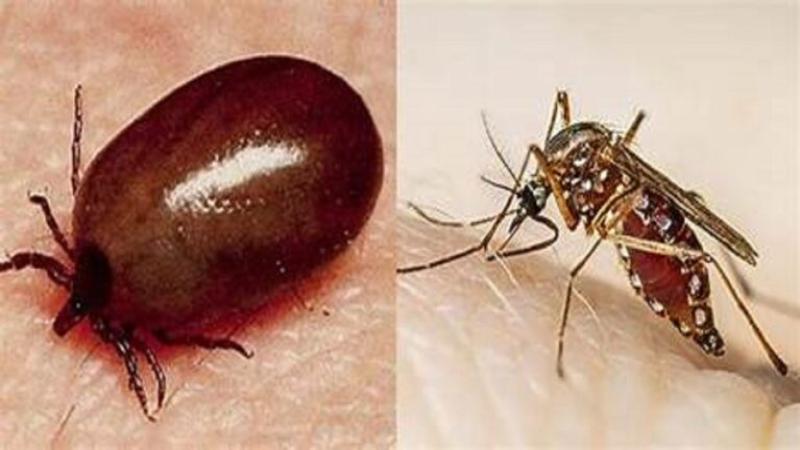
May 15, Kathmandu - Chitwan District is witnessing a concerning rise in dengue and scrub typhus infections, prompting heightened vigilance from health authorities. According to the latest data released by the Chitwan Public Health Office, as of May 15, 2083, there have been 260 confirmed cases of dengue and 783 cases of scrub typhus in the district. The increasing infection rates have alarmed the healthcare sector, leading to intensified preventive measures.
The majority of dengue cases have been reported in Ratnanagar Municipality, with 83 confirmed infections. Other affected areas include Bharatpur Metropolitan City with 55 cases, Khairhani Municipality with 35, Rapti Municipality with 17, and Kalika Municipality with 10. Several other local levels are also witnessing sporadic cases.
Similarly, scrub typhus infections are also on the rise, with the highest number of cases in Ratnanagar—218 confirmed patients. Khairhani has 99 cases, Bharatpur Metropolitan 78, Rapti Municipality 72, and Kalika Municipality 64, according to the data.
The Public Health Office reports no new dengue cases in the past 24 hours but has confirmed two new cases of scrub typhus. Health officials warn that the infection rates are expected to increase further with the onset of the monsoon season.
Testing efforts have also expanded, with over 10,200 dengue tests and nearly 11,000 scrub typhus tests conducted so far. The increased testing scope has facilitated early detection of the diseases.
Fortunately, despite the rising cases, there have been no fatalities attributed to either disease so far, thanks to timely testing, treatment, and public awareness campaigns, the health office stated.
Health professionals advise residents to prevent dengue by eliminating stagnant water around homes and using long clothing or mosquito nets to avoid bites. For scrub typhus, caution is urged when venturing into grassy or bushy areas, and anyone experiencing symptoms like high fever, headache, weakness, or other unusual signs should seek immediate medical attention.
Given the seasonal nature of these diseases in Chitwan, coordinated efforts among local authorities, health institutions, and the public are crucial to implementing effective control measures and preventing further outbreaks.














 Indian Rupee
 U.S. Dollar
 European Euro
 UK Pound Sterling
 Swiss Franc
 Australian Dollar
 Canadian Dollar
 Singapore Dollar
 Japanese Yen
 Chinese Yuan
 Saudi Arabian Riyal
 Qatari Riyal
 Thai Baht
 UAE Dirham
 Malaysian Ringgit
 South Korean Won
 Swedish Kroner
 Danish Kroner
 Hong Kong Dollar
 Kuwaity Dinar
 Bahrain Dinar