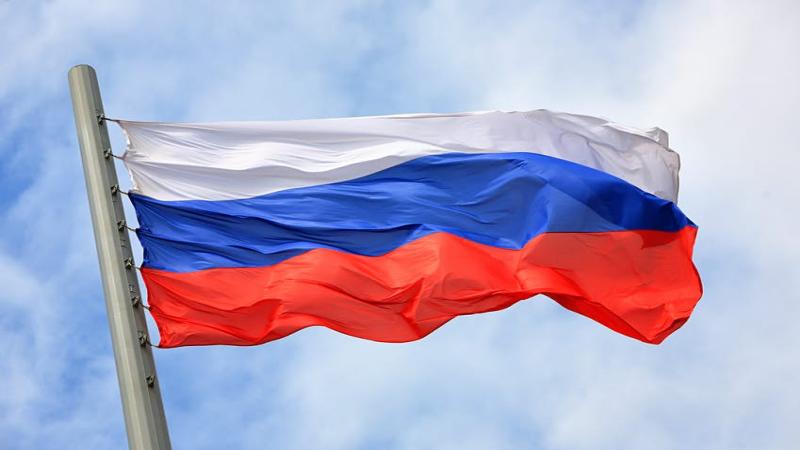
May 19, Kathmandu - As the Ukraine conflict intensifies, Russia has initiated a large-scale three-day nuclear weapons exercise involving thousands of troops across the country. Kyiv views this move, which comes just before President Vladimir Putin's visit to China, as a significant strategic signal amidst increasing drone attacks and heightened tensions with the West.
According to the Russian Defense Ministry, the exercise, scheduled from May 19 to 21, aims to test nuclear readiness and operational capabilities in potential attack scenarios. The ministry emphasized that the drill is designed to strengthen the nation’s nuclear posture and emergency preparedness.
Russia has repeatedly issued nuclear warnings during its ongoing invasion of Ukraine, which has lasted over four years. The latest exercise is seen in the context of this ongoing threat environment, with Moscow and Western nations experiencing escalating tensions.
Over 65,000 soldiers will participate in the exercise, which will also involve more than 7,800 military equipment and weapon systems, including over 200 missile launchers. The drills will include aircraft, warships, submarines, and a nuclear submarine, showcasing Russia’s extensive military capabilities.
Testing of ballistic and cruise missiles will also be conducted, serving to evaluate Russia’s nuclear deterrence and strategic readiness. Additionally, the exercise will incorporate joint drills linked to Russia’s nuclear forces stationed in Belarus, a close ally that has already deployed nuclear-capable missile systems.
This exercise follows the recent expiration of a major nuclear arms control treaty between Russia and the United States, a development that has raised concerns about the weakening of formal nuclear limits and controls between the world’s two largest nuclear powers.
The timing of the drill, announced just hours before Putin’s planned two-day visit to China, has attracted international attention. Analysts suggest that the exercise aims to demonstrate both Russia’s military preparedness and strategic pressure on global powers amidst mounting geopolitical tensions.














 Indian Rupee
 U.S. Dollar
 European Euro
 UK Pound Sterling
 Swiss Franc
 Australian Dollar
 Canadian Dollar
 Singapore Dollar
 Japanese Yen
 Chinese Yuan
 Saudi Arabian Riyal
 Qatari Riyal
 Thai Baht
 UAE Dirham
 Malaysian Ringgit
 South Korean Won
 Swedish Kroner
 Danish Kroner
 Hong Kong Dollar
 Kuwaity Dinar
 Bahrain Dinar