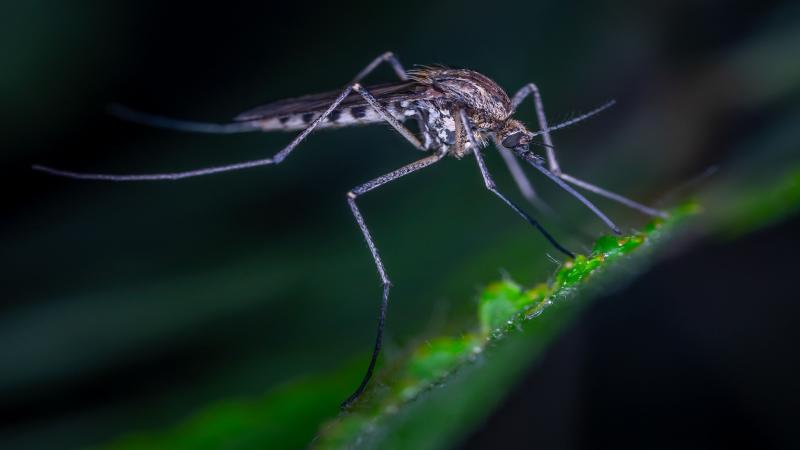
Jun 23, Kathmandu - Sri Lanka has deployed the military, navy, and air force to combat the rapidly spreading dengue fever, with health officials warning that over 1,000 new patients are being admitted to hospitals daily.
According to the Office of President Anura Kumara Dissanayake, specialized joint units comprising military personnel have been mobilized to identify and destroy mosquito breeding sites. The initiative aims to curb the proliferation of the disease transmitted by Aedes mosquitoes.
Health authorities have reported symptoms such as high fever, headache, dizziness, vomiting, muscle pain, and in severe cases, bleeding that can lead to death. So far this year, nearly 50,000 cases have been confirmed, with 29 fatalities. Although alarming, these numbers are lower than the 2017 epidemic, which saw 186,000 infections and 440 deaths.
The government emphasizes removing stagnant water where mosquitoes breed, as Aedes mosquitoes lay eggs in stagnant water bodies. Legal action will be strictly enforced against individuals and entities that allow mosquito breeding sites to persist within their premises.
A nationwide campaign to eliminate breeding sites and promote sanitation will commence from Wednesday, officials announced. The World Health Organization has warned that climate change is accelerating the spread of dengue and similar mosquito-borne diseases.
Since the beginning of June, the infection rate has surged, with daily cases exceeding 1,000 in some days, according to official data. Hospitals, both public and private, are under significant pressure, and the increasing number of cases threatens to overwhelm the healthcare system.
Kapila Kannangara, head of the Dengue Unit, stressed the urgent need for containment to prevent a repeat of the 2017 crisis, which saw devastating impacts across the country.
Experts attribute the outbreak's acceleration to recent heavy rains, floods, and an increase in the number of stagnant water bodies, creating ideal conditions for mosquito breeding.














 Indian Rupee
 U.S. Dollar
 European Euro
 UK Pound Sterling
 Swiss Franc
 Australian Dollar
 Canadian Dollar
 Singapore Dollar
 Japanese Yen
 Chinese Yuan
 Saudi Arabian Riyal
 Qatari Riyal
 Thai Baht
 UAE Dirham
 Malaysian Ringgit
 South Korean Won
 Swedish Kroner
 Danish Kroner
 Hong Kong Dollar
 Kuwaity Dinar
 Bahrain Dinar