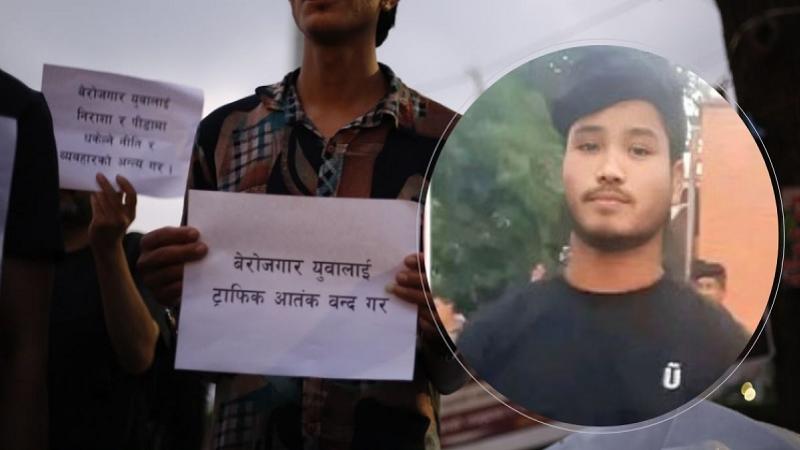
Jul 10, Kathmandu - A recent incident involving Ganesh Nepali's suicide attempt in Tripureshwor has captured the nation's attention. Some speculate that the blame lies with the Passport Department, citing prior issues, while others point fingers at the Traffic Police, noting a heated exchange just moments before the incident. Many also criticize the Kathmandu Metropolitan Police for their role.
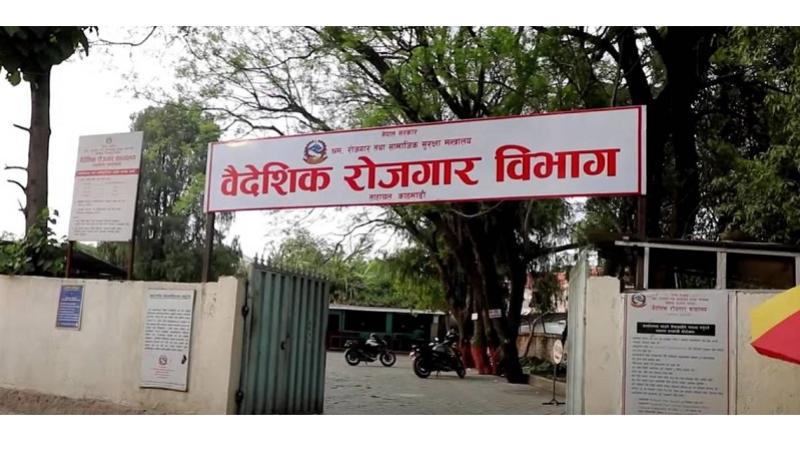
Ultimately, a police report from the Kathmandu Metropolitan Police revealed that Nepali was issued a fine, a scene that drew widespread attention. Following this, the Passport Department and Kathmandu Traffic Police Office issued statements denying any involvement, emphasizing that reports linking them to the incident are baseless.
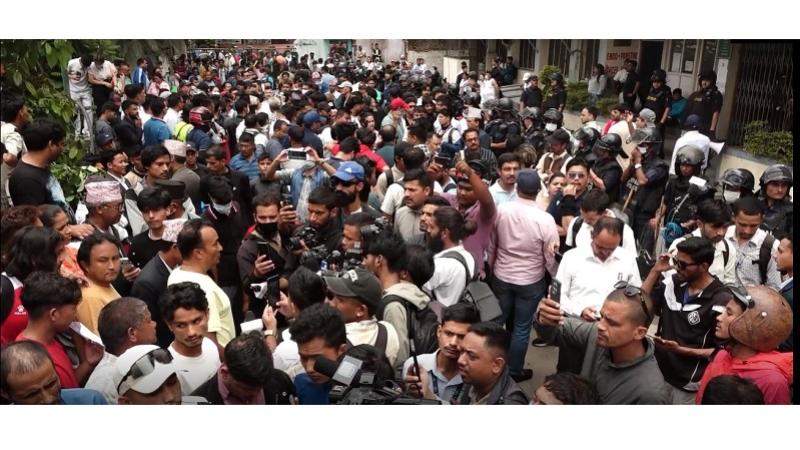
Despite these clarifications, public discourse remains intense. Many feel that, although the agencies have defended themselves, there has been little compassion shown towards the victim.
The Traffic Police's statement notably lacks any words of sympathy, asserting that misleading reports connect them to the incident. Similarly, the Passport Department denied any service engagement with Nepali, the 25-year-old youth from Mughu, and only concluded their statement with a wish for his recovery.
Why do government agencies fail to show even a hint of empathy when dealing with a matter involving an individual's health and life? Journalist Rameshwar Bohara questions, "Why do such agencies issue statements that lack compassion, especially in a tragedy as painful as this, where they cannot even express wishes for the person's recovery?"
Former Minister and Ujyalalo Party Founder Kulman Ghising emphasizes that the state's responsibility extends beyond law enforcement to safeguarding citizens' lives, dignity, and human sensitivity. He advocates that humanity must never be lost in the implementation of laws.
.png)















 Indian Rupee
 U.S. Dollar
 European Euro
 UK Pound Sterling
 Swiss Franc
 Australian Dollar
 Canadian Dollar
 Singapore Dollar
 Japanese Yen
 Chinese Yuan
 Saudi Arabian Riyal
 Qatari Riyal
 Thai Baht
 UAE Dirham
 Malaysian Ringgit
 South Korean Won
 Swedish Kroner
 Danish Kroner
 Hong Kong Dollar
 Kuwaity Dinar
 Bahrain Dinar