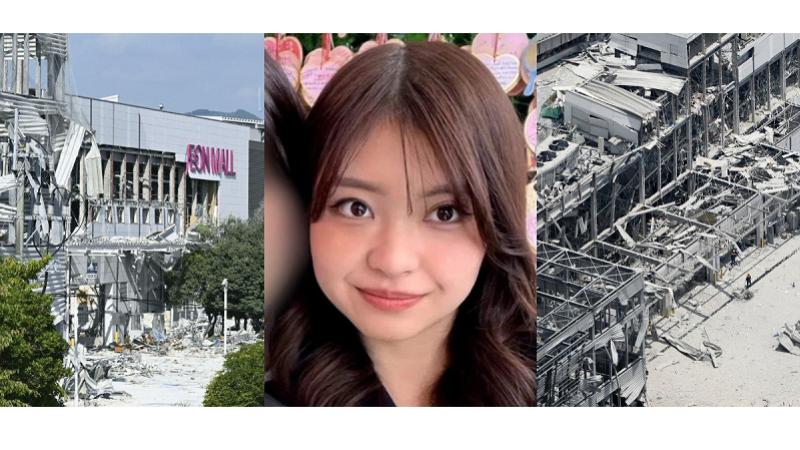
Aug 03, Kathmandu - Japan is globally renowned for its strict discipline, humility, and punctuality. The country's collectivist spirit, embodied in the concept of 'Omotenashi'—selfless hospitality—along with the emphasis on societal harmony and lifelong learning from school age, forms the core of its cultural identity. However, the recent explosion at Ayon Mall in Kumamoto has cast a shadow over these values, revealing the negative aspects of unyielding discipline and unquestioning obedience to authority.
On July 28, a magnitude 7.1 earthquake struck Kumamoto Prefecture. Following the tremor around 4:27 PM, employees at Ayon Mall swiftly evacuated approximately 3,000 shoppers. The evacuation concluded by around 5:00 PM, but about 80 minutes later, at 5:50 PM, a gas explosion occurred, resulting in the deaths of seven employees and injuries to many others, including two from Habita Corporation.
Twenty-two-year-old Kurumi Otake had safely evacuated with her colleagues but was instructed by her superiors to re-enter the building to secure the cash holdings, despite the risk. She went back inside, reportedly telling her relatives outside, “The company staff said I need to secure the register’s money.” Moments later, the explosion occurred. Otake, speaking to her family at the scene, said, “The company’s people told me I had to secure the cash,” highlighting the devastating consequences of strict adherence to orders.
During her memorial service on August 2, Habita executives apologized to Otake’s family and explained that they had instructed staff to secure the cash. The sales manager admitted, “They told us to keep the cash safe in the safe if possible. Looking back, it was not worth risking lives.” The company pledged to prioritize safety and evacuation procedures moving forward.
Otake’s mother tearfully demanded transparency, saying, “My daughter will never come back.” Despite family pleas for clarity, Otake felt compelled to obey her superiors due to the strong sense of duty ingrained in her. A male relative added, “Acknowledging the truth is a step forward.” The family emphasized that employee safety must come first and sought accountability for the decisions made.
Rescue efforts at Ayon Mall concluded on August 1. Investigations suggest that the explosion was caused by a gas leak from a broken LPG pipeline that ignited. Authorities, including Kumamoto police, fire services, and safety experts, are examining why the gas safety systems failed and why employees were sent back inside despite protocols prohibiting re-entry after evacuation. The mall’s policy states that once evacuated, staff are not to re-enter, but Habita Corporation reportedly made an independent decision to send employees back.
The July 28 earthquake has resulted in over 34 deaths and hundreds of injuries. Thousands of homes have been damaged, with more than 9,000 people displaced into shelters. Utilities such as water and electricity remain disrupted in many areas, and incidents like the collapse of a chimney at the Yatsushiro Paper Mill have also caused fatalities.
This tragedy underscores how Japan’s hierarchical culture and rigid obedience to authority can exacerbate safety risks during disasters. The incident calls for a critical reevaluation of workplace safety protocols and emergency response procedures, highlighting the need for balancing discipline with human safety.










 Indian Rupee
 U.S. Dollar
 European Euro
 UK Pound Sterling
 Swiss Franc
 Australian Dollar
 Canadian Dollar
 Singapore Dollar
 Japanese Yen
 Chinese Yuan
 Saudi Arabian Riyal
 Qatari Riyal
 Thai Baht
 UAE Dirham
 Malaysian Ringgit
 South Korean Won
 Swedish Kroner
 Danish Kroner
 Hong Kong Dollar
 Kuwaity Dinar
 Bahrain Dinar