Aug 18, Kathmandu - Nepalese consumers are grappling with unprecedented inflation in daily essentials, as the prices of vegetables and other consumables soar sharply in the market.
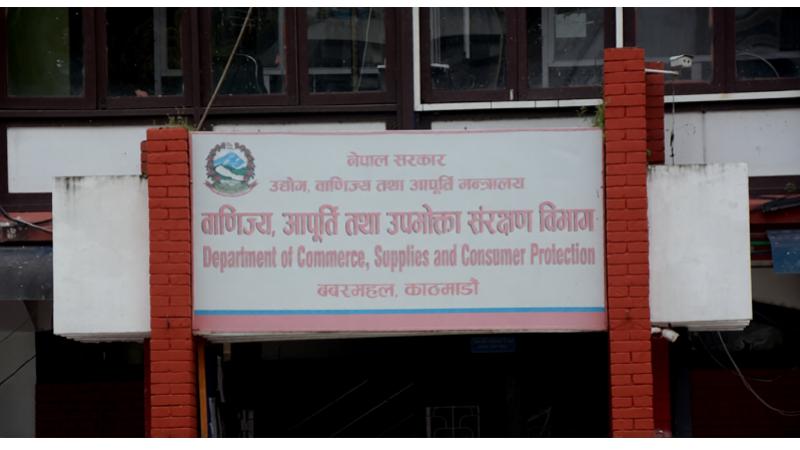
According to the ‘Price Analysis Report for Ashad 2082/83’ released by the Department of Commerce, Supply, and Consumer Protection, market manipulation by middlemen and sudden price hikes have led to a significant increase in prices.
The report, based on market surveys conducted in Kathmandu Valley, Biratnagar, Birgunj, Bhairahawa, Nepalgunj, and Dhangadhi, highlights that during Ashad, prices of rice, eggs, fruits, and especially vegetables have skyrocketed.
Compared to May, vegetable and fruit prices have experienced volatile fluctuations in Ashad. The smallest local tomato prices have increased by as much as 253%. Similarly, green bullet chili has surged by 179.4%, mangoes (urban varieties) by 160%, small tunnel-grown tomatoes by 158.6%, and potatoes by 157%.
The department reports that vegetables such as long beans, Bodi, Rayo greens, and coriander have seen price hikes of over 100%. The sharp increase is attributed to seasonal shortages and middlemen’s exploitation, which has caused vegetable prices to go up like ‘fire’.
Not only vegetables, but daily staple foods have also become costly, putting a strain on consumers. During Ashad, the prices of rice varieties like Sona Mansuli and Jira Masino, along with eggs, bananas, and sugar, have all risen.
However, some relief has been observed in the prices of flour (atta, maida), maize, and cooking oil, which have generally decreased during this period. Additionally, due to rumors of bird flu, broiler chicken prices have fallen, while prices of goat meat and fish have remained relatively stable.
Main Causes of Inflation:
The department attributes the sharp price hikes primarily to middlemen’s profiteering, high transportation costs, and reduced production. Excessive layers in the market system result in farmers receiving lower prices for their produce, while consumers have to pay higher prices.
Despite fluctuations in international crude oil prices, petroleum prices in Nepal remained stable during Ashad—petrol at NPR 217 per liter, diesel and kerosene at NPR 225, and cooking gas at NPR 2,010. The department claims that the unchanged fuel prices have contributed to elevated transportation costs, directly impacting market prices.
Zero Tolerance for Black Market and Syndicates:
The department has issued a stern warning to curb illegal activities such as syndicates, cartelling, and black marketing, vowing to take strict action against offenders. The report emphasizes enhanced market monitoring, mandatory labeling of maximum retail prices (MRP) on imported and locally produced goods, and efforts to reduce middlemen’s influence.
Furthermore, it has been suggested that to control the out-of-season vegetable prices, reforms are needed within the agricultural system itself. The government is committed to implementing these measures to stabilize prices and protect consumers from exploitation.















 Indian Rupee
 U.S. Dollar
 European Euro
 UK Pound Sterling
 Swiss Franc
 Australian Dollar
 Canadian Dollar
 Singapore Dollar
 Japanese Yen
 Chinese Yuan
 Saudi Arabian Riyal
 Qatari Riyal
 Thai Baht
 UAE Dirham
 Malaysian Ringgit
 South Korean Won
 Swedish Kroner
 Danish Kroner
 Hong Kong Dollar
 Kuwaity Dinar
 Bahrain Dinar