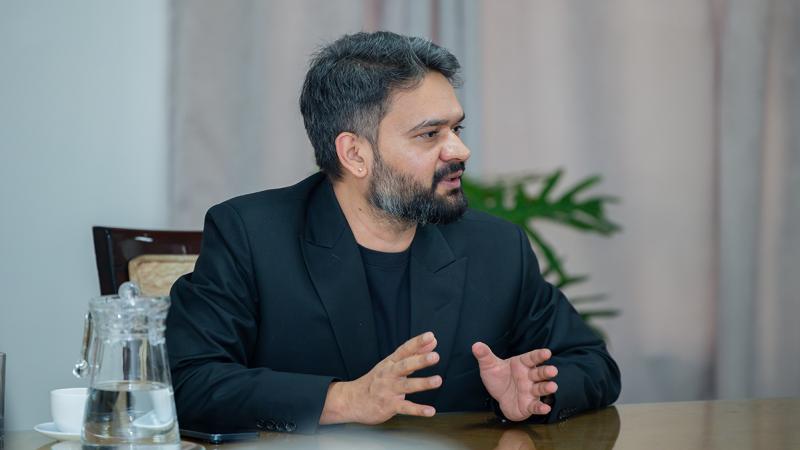
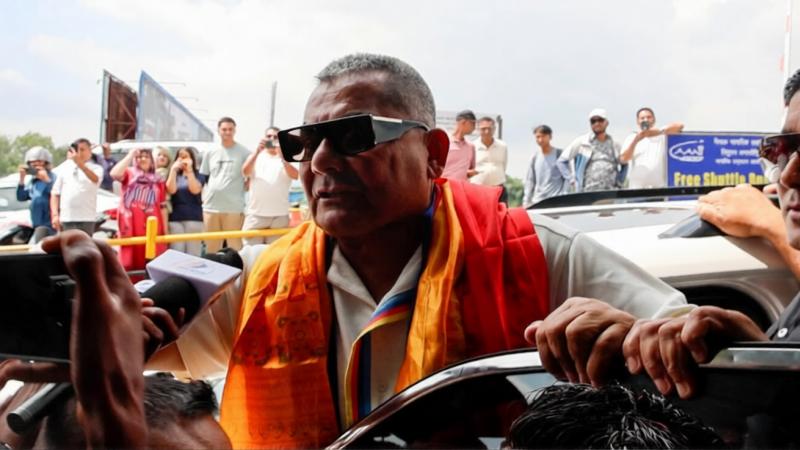
Sep 14, Kathmandu - Prime Minister Balendra Shah (Balen) has assured that there will be no shortage of budget for relief and reconstruction efforts in the flood-affected areas of Rasuwa’s Bote Koshi region.
During a discussion at the Prime Minister’s Office on Monday with representatives from various districts and local bodies declared disaster-stricken, he stated that all government agencies are actively engaged in the affected areas. Shah emphasized that adequate funds will be allocated to ensure timely relief and rebuilding initiatives.
The Prime Minister gathered information and suggestions on the current state after the floods, the necessary next steps, and recovery plans.
Local representatives from the flood-affected areas highlighted the difficulties faced due to damaged road networks, which hinder relief and reconstruction efforts. Rajan Shrestha, Mayor of Bidur Municipality in Nuwakot, reported that around 19 bridges along the Trishuli River have been washed away, and roads connecting Rasuwagadhi, Dadhling, and Bidur remain blocked, complicating rescue operations.
In response, the government is considering relocating affected families to rented rooms to reduce crowding at holding centers and mitigate potential health risks. The municipality plans to provide each family with Rs. 10,000 for six months, along with essential supplies such as tents, gas cylinders, and food.
Discussions also took place on constructing immediate infrastructure like a hump pipe diversion and a Bailey Bridge to connect the provincial hospital and settlements along the Trishuli River. Mayor Shrestha informed that Prime Minister Shah committed that all three levels of government will collaborate to build the necessary infrastructure promptly.
He also suggested carrying out housing development in culturally and agriculturally safe areas through land-pooling to protect the local environment.
The meeting was attended by chiefs and representatives from 15 local units affected by the disaster, including those from Nuwakot, Rasuwa, Dadhling, Gorkha, and Tanahun districts.




 Indian Rupee
 U.S. Dollar
 European Euro
 UK Pound Sterling
 Swiss Franc
 Australian Dollar
 Canadian Dollar
 Singapore Dollar
 Japanese Yen
 Chinese Yuan
 Saudi Arabian Riyal
 Qatari Riyal
 Thai Baht
 UAE Dirham
 Malaysian Ringgit
 South Korean Won
 Swedish Kroner
 Danish Kroner
 Hong Kong Dollar
 Kuwaity Dinar
 Bahrain Dinar